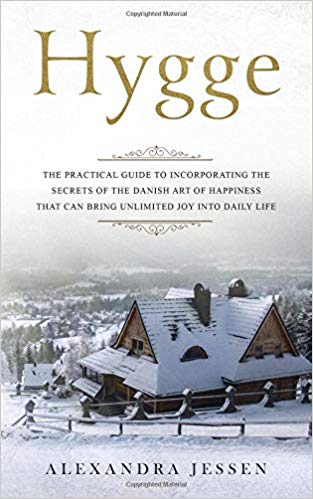
Hygge for Beginners

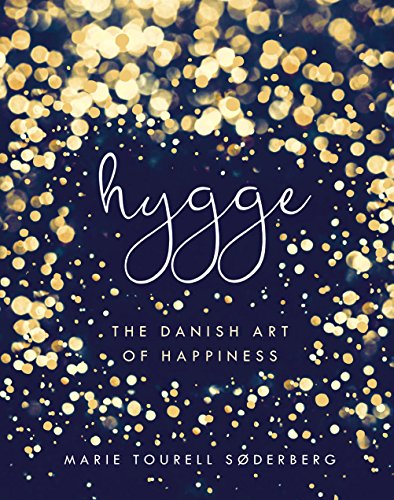
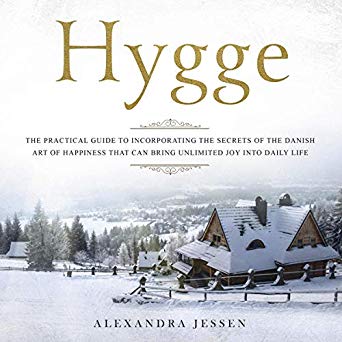
It was in 2016 that I began seeing articles about the Danish/Norwegian concept of hygge (pronounced hoo-gah). I quick search on Amazon now returns more than 2,000 results for books tagged with the keyword. Wikipedia defines hygge as “a mood of coziness and comfortable conviviality with feelings of wellness and contentment.”

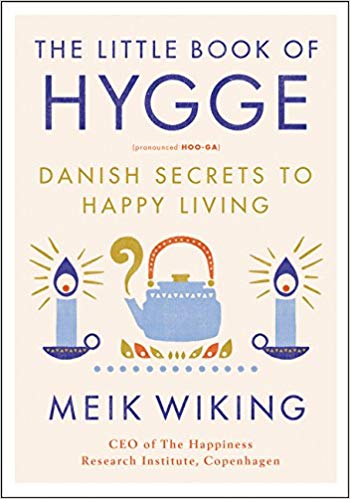
The Meik Wiking book pictured above has sat on my shelf, collecting dust, since I compulsively purchased in in the winter of 2016. In search of a different book altogether (which I still can’t find!), I resurfaced this book on hygge and dived in. I read from the middle of the book to the end, and then started at the beginning again, unable to put it down.

Why do I love this so much? First, I have to explain the basics of hygge. In Weiking’s book, he offers the Hygge Manifesto (enumerated in the book, comments in parentheses are mine except those in quotes):

  1. atmosphere (creating a physical environment of peace and comfort)
  2. presence (being here now, in mind and body)
  3. pleasure (physical pleasures like environment, clothing, food, and drink)
  4. equality (shared social time, “we over me”)
  5. gratitude (presence in and thankfulness for the moment)
  6. harmony (social calm, absence of competition)
  7. comfort (again focusing on physical comfort)
  8. truce (tabling of contentious topics, creation of a safe space)
  9. togetherness (“building relationships and narratives,” memory-building)
  10. shelter (protection from the outside world)

You can see that many of these overlap, but there’s a lot of nuance as well. There is so much about this that appeals to me: the focus on creating a safe and comfortable physical space, the emphasis on shared experiences, the importance of food and drink, the attention to the moment and to gratitude.

Weiking highlights some of these ideas when he lists foods that are hygge: things that take a long time to cook (like braises), anything you cook with friends or family, and foods that are rustic and simple. Foie gras, he says is not so hygge; but popcorn is– “especially if we share the same bowl.”

A couple of other points illuminated in the book also really resonate. First, the importance of the past and the future in sharing experiences. A significant part of experiencing hygge is also in planning for it, talking about it, and then remembering it. If you’re planning to have friends over for dinner on Friday, you plan it together and then discuss how hygge it will be. Anticipation is key and that anticipation is shared. Past events are also relished in conversation together: remember that time last year when we went hiking and got caught in a downpour? Remember that Renee brought that thermos of hot chocolate, and we all shared it under the shelter of that big tree until the rain stopped? It’s like anticipatory gratitude, gratitude in the moment, and rearview mirror gratitude– all linked like beads on a string and all shared.

The key to this, I think, is that there is a shared concept AND a widely-accepted word for it. When I consider the closest approximation in English, coziness, it sounds so frumpy and lame. Definitely not a word that I would use when planning a dinner party: I’m so excited you are coming to dinner on Sunday. It will be so cozy! I don’t think so.

The second point that really resonates for me is the idea of anti-hygge. The only way this thing can exist, the author explains, is in opposition to something else. The Friday night get-together, cooking with friends, is the antithesis of the busy workweek. The comfort of a warm, quiet house is enhanced by the thunderstorm raging outside. The weekend at a rustic campsite is reciprocally enhanced by the hot shower you know awaits on Sunday night.

Now I’m looking for every opportunity to find and create the hygge in my life. As I tuck into a pile of books from the library (most with the h-word in the title), I feel thankful that I can consciously cultivate this idea– and share it with you.
Title Pending

http://www.emilylackey.com/

I’m rereading this unbelievable article that our cousin/niece Emily Lackey wrote: Who Do You Belong To? What resonated with me the most about this piece (and damn, am I amazed by her writing and so proud that she is a cousin!) were the questions she learned to ask herself: Why do I want this? Why do I not want this?

At first, I thought: isn’t that essentially the same question? But upon reflection, I can see that the answers to these questions define the space that is the space we choose to live in. The first is the > and the second is the <.

Emily teases out the differences as she evaluates her options, clear-headed about who she is and what she wants. “I asked myself, Why would I want this? and the answers were the same as they had always been: It would be easy, it would be convenient, it was all right here ready for me. The question Why do I not want this? was harder to answer.”

Side note: I think it’s time for a Forth family reunion.

Lower Your Home Insurance Premium with Fresh Fennel

The power of data and its influence on our lives: this stuff fascinates me. I read with equal parts enthusiasm and terror everything I could about Cambridge Analytica and the 2016 US Presidential election.

Cleaning up my browser tabs just now, I found this fun article entitled What Algorithms Know about You Based on Your Grocery Cart. Customer rewards programs, online shopping and searches, social media likes, and more are all being tracked. This Forbes article entitled How Target Figured Out a Teen Girl Was Pregnant Before Her Father Did is an oldie, but a goodie on data collection and analysis (the reference to the angry Tesco shopper in the first article reminded me of this one). It also put me in mind of this one that I read more recently, addressing how this information is used… dare I say against you?: Your Phone Isn’t Spying on You– It’s Listening to Your Voodoo Doll.

This may be deliberately fear-inspiring language, but it is (let’s pick a neutral word) interesting that user behavior can so accurately (mostly) predict future behavior. This voodoo doll article gives YouTube as an example (forgive my layperson’s rusty understanding of the mechanism): the moment you click, an algorithm (or several) are queuing up a series of videos that is designed to make you stay longer. And learning from what you then do.

It’s amazing; but as each of these articles describes, has the potential for misuse and abuse. If everyone was a good guy and there was no money to be made, maybe things would be different.

Back to what’s in your shopping cart, though. The first article also put me in mind of this sweet one I read yesterday in the New Yorker: The Underrated Pleasures of Eating Dinner Early. I’ll be using this question: what time do you eat dinner?

Writer at Work

Writer-France

We are pretty much everywhere. Look for the telltale notebook and pen on a table at the local coffee shop, or listen for a hurried pecking followed by even faster backspacing on the keys of a laptop. If you observe us for long enough, you may notice that we spend much of our time glancing around the place in search of a new idea or some way to pull our story out of the mud. Maybe a new character will walk by and energize the five hundred words we have committed to writing today. Or not.

I started writing fiction seven years ago. I had some time on my hands during the winter holidays so I decided to write a novel. I didn’t have an outline on paper, just thousands of ideas gathered from a lifetime of reading. That’s not a bad place from which to start. Quite surprisingly, about eighty thousand words flowed out of my brain and onto paper. The first draft took less than two months. I said to myself, “this is pretty easy.” That part was. Now, seven years later the work is in final form and ready for others to read. I have a lot more respect for the process these days. When people ask me if I am an author. I am more apt to say, “still working on it.”

Love Is Crucial

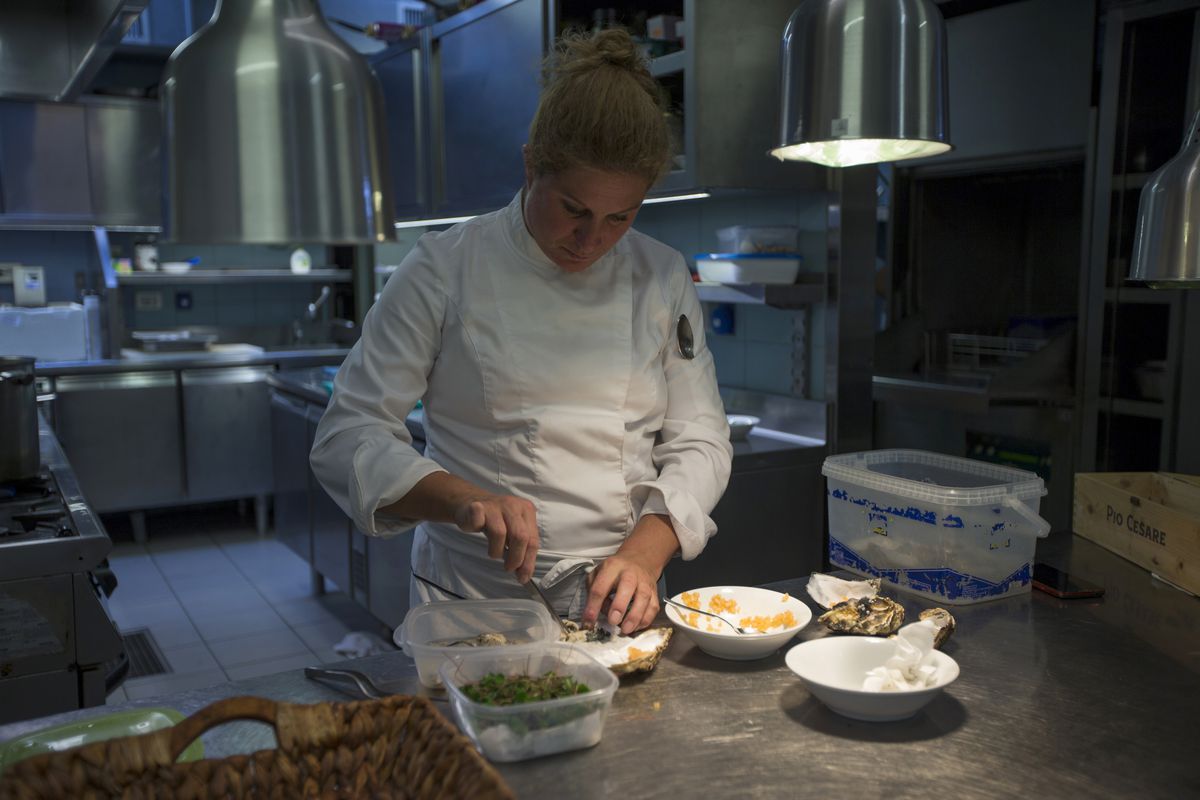
Season 2, Episode 6 of Netflix’s Chef’s Table begins with Chef Ana Ros walking through the stunning Slovenian countryside and expressing her philosophy:

“Love is crucial. If we don’t have love, it’s difficult to work well. And in the kitchen, that’s extremely important. When one is loved, she can create better. There is more passion. More beautiful thoughts. Because of love, we do nice things… and sometimes we create catastrophes.”

I watched this episode a couple of years ago, and for some reason, have been wanting to watch it again. This morning I queued it up, and it was perfect.

Ana described her slow rise to fame as the chef of Hisa Franko, which at the time of the filming, was number 48 on the 50 Best Restaurants in the World. Ana is completely self-taught– her formal education having focused on political science.

What struck me most about this story was that she took over as chef with no idea what she was doing. The restaurant had been left to her husband when his father, the longtime proprietor, had retired. Her husband was the sommelier, so she stepped into the kitchen.

In her at-the-time inept hands, the restaurant lost almost all of its regular customers. She struggled and experimented, with no idea why her bread would not rise or her meats would end up overcooked and tough. With the loss of customers, the pair struggled financially as well, all while balancing the early years of family life (their two children were born during this time).

For FIVE YEARS she persisted, trying and failing and sometimes succeeding. She learned techniques from books and from other chefs. She and her husband dined out at highly regarded restaurants so she could learn.

Once she had begun to master cooking technique, she discovered a new philosophy. A restaurant critic friend of hers suggested that she use regional, local ingredients. Her enthusiastic adoption of her native cuisine, reinterpreted by her own creative mind, was what catapulted her, the restaurant, and the nation to international prominence.

This all fits neatly into a 30-minute Netflix episode, as well as into a blog post. But this is hindsight. At the time, it must have been so difficult, so confusing, and so messy. I’m in awe and admiration at her tenacity over that impossible five year period.